Monday, September 24, 2012

Kayaking

Kayaking is the use of a Kayak for moving across water. Kayaking and canoeing are also known as paddling. Kayaking is distinguished from canoeing by the sitting position of the paddler and the number of blades on the paddle. A kayak is defined by the International Canoe Federation (the world sanctioning body) as a boat where the paddler faces forward, legs in front, using a double-bladed paddle. Most kayaks have closed decks, although "sit-on-top" kayaks are growing in popularity, as are inflatable kayaks which come without decks but which have air chambers surrounding the boat.
Whitewater kayaking involves taking a kayak down rapids, weirs and waterfalls. Sea kayaking, also referred to as ocean kayaking or touring, involves taking kayaks out on to the ocean or other open water such as a lake. It can involve short paddles with a return to the starting point (or "put-in"), or expeditions covering many miles and days. Kayaking of all kinds has become more popular through the 1990s and early 21st century.


Kayaking at Great Falls, Virginia.
Kayaks are classified by their use. There are eight primary classifications: polo, slalom, whitewater, surf, touring/expedition, light touring/day tripping, sprint/racing and general recreation. From these primary classifications stem many sub-classes. For example, a fishing kayak is simply a general-recreation kayak outfitted with accessories that make it easier from which to fish. A creek kayak is a certain type of whitewater kayak, designed to handle narrow gully type rivers and falls. Also within these classifications are many levels of performance which further separate the individual models. In other words, not all touring kayaks handle the same.
Kayaks and canoes are also classified by their design and the materials from which they are made. Kayaks can have hard or soft chines which require different types of handling. Each design has its specific advantage, including performance, maneuverability, stability, and paddling style. Kayaks can be made of metal, fiberglass, wood, plastic, fabrics, and inflatable fabrics such as PVC or rubber. Each material also has its specific advantage, including strength, durability, portability, flexibility, resistance to UV, and storage requirements. For example, Wooden kayaks can be created from kits or built by hand, but they are heavy to transport. Inflatable kayaks, made from lightweight fabric, can be dried, deflated, and stored in a closet.


 Glowworm Kayaking at Waimarino Adventure Park
There are several major configurations of kayaks. "Sit on tops", as the name suggests, involve sitting on top of the kayak in an open area. "Cockpit style" involves sitting with the legs and hips inside the kayak hull with a "spray deck" or "spray skirt" that creates a water resistant seal around the waist. "Inflatables" are a hybrid of the two previous configurations, these boats have an open deck, but the paddler sits below the level of the deck. "Tandems" are configured for multiple paddlers, in contrast to the single person designs featured by most kayaks. Tandems can be used by two or even three paddlers. How a kayak is configured has nothing to do with its classification. All configurations are represented in each of the five primary classifications.
Because of their range and adaptability, kayaks can be useful for other outdoor activities such as diving, fishing, wilderness exploration and search and rescue during floods.

Keep a journal


A window to your soul, keeping a journal can be a way of giving your feelings an outlet like no other, a place where your deepest thoughts can reside without fear of judgment, blame, or need of justification. Journals allow you to be just who you are, and are a place where you can travel through life's emotions with gentleness, compassion, and deeper understanding.
While journal writing is a personal journey, determined wholly by your own thoughts, ideas, and meanderings, it can be helpful to read suggestions for making the most of your journal, as well as some ideas about getting one started. If you haven't tried journal writing yet, or you have but let it slip or didn't really get into it, there is no time like the present to start one and to let your consciousness flow through your writing, connecting you with your deeper thoughts and ideas. Plus you have to be interested in keeping a journal! Make it one of your goals!

Friday, September 21, 2012

Hulahooping


A hula hoop is a toy hoop that is twirled around the waist, limbs or neck. Although the exact origins of hula hoops are unknown, children and adults around the world have played with hoops, twirling, rolling and throwing them throughout history. Hula hoops for children generally measure approximately 71 centimetres (28 in) in diameter, and those for adults around 1.02 metres (40 in). Traditional materials for hoops include willow, rattan (a flexible and strong vine), grapevines and stiff grasses. Today, they are usually made of plastic tubing. Plastic hula hoops are often filled with rocks or materials which serve as weights to carry the hoop around the body.


- Hulahooping

This is an interesting hobby,

Hot air ballooning


Hot air ballooning is the activity of flying hot air balloons. Attractive aspects of ballooning include the exceptional quiet (except when the propane burners are firing), the lack of a feeling of movement, and the bird's-eye view. Since the balloon moves with the direction of the winds, the passengers feel absolutely no wind, except for brief periods during the flight when the balloon climbs or descends into air currents of different direction or speed.

Home repair


Home repair involves the diagnosis and resolution of problems in a home, and is related to home maintenance to avoid such problems. Many types of repairs are "do it yourself" (DIY) projects, while others may be so complicated, time-consuming or risky as to suggest the assistance of a qualified handyman, property manager, contractor/builder, or other professionals. Repair is not necessarily the same as home improvement, although many improvements can result from repairs or maintenance. Often the costs of larger repairs will justify the alternative of investment in full-scale improvements. It may make just as much sense to upgrade a home system (with an improved one) as to repair it or incur ever-more-frequent and expensive maintenance for an inefficient, obsolete or dying system. For a DIY project, it is also useful to establish limits on how much time and money you're willing to invest before deciding a repair (or list of repairs) is overwhelming and discouraging, and less likely to ever be completed.

Hiking


Hiking is an outdoor activity which consists of walking in natural environments, often in mountainous or other scenic terrain. People often hike on hiking trails. It is such a popular activity that there are numerous hiking organizations worldwide. The health benefits of different types of hiking have been confirmed in studies. Some of the health benefits of hiking include, but are not limited to, losing excess weight, decreasing hypertension, and improving mental health.

Hang gliding


Hang gliding is an air sport in which a pilot flies a light and unmotorized foot-launchable aircraft called a hang glider (also known as Delta plane or Deltaplane). Most modern hang gliders are made of an aluminium alloy or composite-framed fabric wing. The pilot is ensconced in a harness suspended from the airframe, and exercises control by shifting body weight in opposition to a control frame, but other devices, including modern aircraft flight control systems, may be used. In the sport's early days, pilots were restricted to gliding down small hills on low-performance hang gliders. However, modern technology gives pilots the ability to soar for hours, gain thousands of metres of altitude in thermal updrafts, perform aerobatics, and glide cross-country for hundreds of kilometres. The Fédération Aéronautique Internationale and national airspace governing organizations control some aspects of hang gliding. Gaining the safety benefits from being instructed is highly recommended.


- Hang gliding

Glowsticking


Glowsticking is a form of dancing with glowsticks or other glowstick-like instruments that share the same qualities: durability, consistency in light, safety to toss around, and the material of which they are made, often a soft and pliant plastic.
Glowsticking is an "umbrella term" describing two broad categories of glowsticking, with the most agreed upon separation being whether it is stringed or not stringed. More importantly, glowsticking has roots in the electronica and rave scenes, and has a cultural paradigm more in common with those scenes than those of other scenes. Some aspects include the culture of non-competitiveness, preferring sharing and performing in accordance with your observer, without any kind of negative statement implied. Because of this glowsticking competitions are frowned upon by most practitioners of glowsticking. Although glowsticking as a field can largely be practiced anywhere, the roots it has with raving has led to the adoption of most of the ideals of the rave scene. In recent days complete glow stick costumes have been created that attach to ones body, the two most popular being from Crayola and Glowstickables.

Ghost hunting

Ghost hunting is the process of investigating locations that are reported to be haunted by ghosts. Typically, a ghost hunting team will attempt to collect evidence claimed to be supportive of paranormal activity. Ghost hunters often utilize a variety of electronic equipment, such as the following types: the EMF meter; digital thermometer; handheld and static digital video cameras, such as thermographic (or infrared) and night vision; digital audio recorder; and computer.


Geocaching

Geocaching is an outdoor recreational activity in which the participants use a Global Positioning System (GPS) receiver or mobile device and other navigational techniques to hide and seek containers, called "geocaches" or "caches", anywhere in the world.
A typical cache is a small waterproof container containing a logbook where the geocacher enters the date they found it and signs it with their established code name. Larger containers such as plastic storage containers (Tupperware or similar) or ammunition boxes can also contain items for trading, usually toys or trinkets of little value. Geocaching shares many aspects with benchmarking, trigpointing, orienteering, treasure-hunting, letterboxing, and waymarking.
Geocaches are currently placed in over 200 countries around the world and on all seven continents, including Antarctica, and the International Space Station. After more than 12 years of activity there are over 1.8 million active geocaches published on various websites. There are over 5 million geocachers worldwide.

- Geocaching

Genealogy

Genealogy is the study of families and the tracing of their lineages and history. Genealogists use oral traditions, historical records, genetic analysis, and other records to obtain information about a family and to demonstrate kinship and pedigrees of its members. The results are often displayed in charts or written as narratives.


Gardening

Gardening is the practice of growing and cultivating plants as part of horticulture. In gardens, ornamental plants are often grown for their flowers, foliage, or overall appearance; useful plants, such as root vegetables, leaf vegetables, fruits, and herbs, are grown for consumption, for use as dyes, or for medicinal or cosmetic use


- GARDENING

Thursday, September 20, 2012

Fishing

Fishing is the activity of trying to catch fish. Fish are normally caught in the wild. Techniques for catching fish include hand gathering, spearing, netting, angling and trapping.


Fencing

Fencing, which is also known as olympic fencing to distinguish it from historical fencing, is an activity using bladed weapons. It is usually practised with the help of a sword or mini-blade.


Embroidery

Embroidery is the art or handicraft of decorating fabric or other materials with needle and thread or yarn. Embroidery may also incorporate other materials such as metal strips, pearls, beads, quills, and sequins. Embroidery is most often recommended for caps, hats, coats, blankets, dress shirts, denim, stockings, and golf shirts. Embroidery is available with a wide variety of thread or yarn color.


- Embroidery

Dumpster diving


Dumpster diving (American English) or bin diving (British English) is the practice of sifting through commercial or residential trash to find items that have been discarded by their owners, but that may prove useful to the dumpster diver. Dumpster Diving is also viewed as an effective urban foraging technique.Dumpster divers will forage dumpsters for items such as clothing, furniture, food, and other items of the like deemed in good working conditions.

Drawing

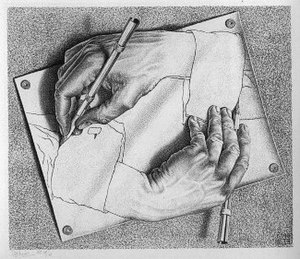
Drawing is a form of visual art that makes use of any number of drawing instruments to mark a two-dimensional medium. Common instruments include graphite pencils, pen and ink, inked brushes, wax color pencils, crayons, charcoal, chalk, pastels, various kinds of erasers, markers, styluses, and various metals (such as silverpoint)


1. Drawing tutorials 

2. Channels
- Drawing Tutorials Online
- From one doodler to the next

Digital photography

Digital photography is a form of photography that uses an array of electronic photodetectors to capture the image focused by the lens, as opposed to an exposure on photographic film. The captured image is then stored as a computer file ready for digital processing, viewing, digital publishing or printing.
Until the advent of such technology, photographs were made by exposing light sensitive photographic film, and used chemical photographic processing to develop and stabilize the image. By contrast, digital photographs can be displayed, printed, stored, manipulated, transmitted, and archived using digital and computer techniques, without chemical processing.
Digital photography is one of several forms of digital imaging. Digital images are also created by non-photographic equipment such as computer tomography scanners and radio telescopes. Digital images can also be made by scanning conventional photographic images.


Cross-stitch


Cross-stitch is a popular form of counted-thread embroidery in which X-shaped stitches in a tiled, raster-like pattern are used to form a picture. Cross-stitch is often executed on easily countable evenweave fabric called aida cloth. The stitcher counts the threads in each direction so that the stitches are of uniform size and appearance. This form of cross-stitch is also called counted cross-stitch in order to distinguish it from other forms of cross-stitch. Sometimes cross-stitch is done on designs printed on the fabric (stamped cross-stitch); the stitcher simply stitches over the printed pattern.
Fabrics used in cross-stitch include aida, linen, and mixed-content fabrics called 'evenweave'. All cross stitch fabrics are technically "evenweave", it refers to the fact that the fabric is woven to make sure that there are the same number of threads in an inch both left to right and top to bottom (vertically and horizontally). Fabrics are categorized by threads per inch (referred to as 'count'), which can range from 11 to 40 count. Aida fabric has a lower count because it is made with two threads grouped together for ease of stitching. Cross stitch projects are worked from a gridded pattern and can be used on any count fabric, the count of the fabric determines the size of the finished stitching.


- Free lessons and patterns

Crochet

Crochet  is a process of creating fabric from yarn, thread, or other material strands using a crochet hook. The word is derived from the French word "crochet", meaning hook. Hooks can be made of materials such as metals, woods or plastic and are commercially manufactured as well as produced by artisans. Crocheting, like knitting, consists of pulling loops through other loops, but additionally incorporates wrapping the working material around the hook one or more times. Crochet differs from knitting in that only one stitch is active at one time (exceptions being Tunisian crochet and Broomstick lace), stitches made with the same diameter of yarn are comparably taller, and a single crochet hook is used instead of two knitting needles. Additionally, crochet has its own system of symbols to represent stitch types.


Instructions and patterns

Cosplay

Cosplay , short for "costume play", is a type of performance art in which participants don costumes and accessories to represent a specific character or idea. Cosplayers often interact to create a subculture centred on role play. A broader use of the term "cosplay" applies to any costumed role play in venues apart from the stage, regardless of the cultural context.
Favorite sources include manga and anime, comic books, video games and films. Any entity from the real or virtual world that lends itself to dramatic interpretation may be taken up as a subject. Inanimate objects are given anthropomorphic forms and it is not unusual to see genders switched, with women playing male roles and vice versa. There is also a subset of cosplay culture centered around sex appeal, with cosplayers specifically choosing characters that are known for their attractiveness and/or revealing (even explicit) costumes.
The Internet has enabled many cosplayers to create social networks and websites centred around cosplay activities, while forums allow them to share stories, photographs, news and tips. The exponential growth in the number of people picking up cosplay as a hobby since 1990 has made the phenomenon influential in popular culture. This is particularly the case in Asia where cosplay influences Japanese street fashion and popular culture.


Conventions


Cosplayers at Comiket convention, Japan

The most popular form of presenting a cosplay is by wearing it to a fan convention. Multiple conventions dedicated to anime and manga, comics, TV shows, video games, science fiction and fantasy may be found all around the world.
The single largest event featuring cosplay is the semi-annual doujinshi market, Comiket. This event, held in Japan during summer and winter, attracts hundreds of thousands of manga and anime fans. Thousands of cosplayers congregate on the roof of the exhibition center.


The largest event for cosplayers outside Asia is the annual San Diego Comic-Con. The biggest event in the UK is the London MCM Expo at ExCeL London, while the biggest event in Europe takes place in France at Japan Expo in Paris, with an attendance of over 200,000 in 2012.

Record collecting

Record collecting is the hobby of collecting music. Although the typical focus is on vinyl records, all formats of recorded music can be collected.


Top Ten Most Valuable Vinyl Records

1. John Lennon & Yoko Ono – Double Fantasy (Geffen US Album, 1980) Note: Autographed by Lennon five hours before Mark David Chapman assassinated him. Value: $525,000

2. The Quarrymen – “That’ll Be the Day”/”In Spite Of All The Danger” (UK 78 RPM, Acetate in plain sleeve, 1958) Note: Only one copy made. Value: $180,000

3. The Beatles – Yesterday and Today (Capitol, US Album in ‘butcher’ sleeve, 1966) Value: $38,500, though more typically prices range from $150-$7500

4. Bob Dylan – The Freewheelin’ Bob Dylan (CBS, US album, stereo 1963 featuring 4 tracks deleted from subsequent releases) Value: $35,000

5. Long Cleve Reed & Little Harvey Hull – “Original Stack O’Lee Blues” (Black Patti, US 78 RPM in plain sleeve, 1927) Value: $30,000

6. Frank Wilson – “Do I Love You?” (Tamla Motown, US 7” 45 RPM in plain sleeve, 1965) Value: $30,000

7. Velvet Underground & Nico – The Velvet Underground and Nico (US Album Acetate, in plain sleeve, 1966 with alternate versions of tracks from official release) Value: estimate $25,200

8. Elvis Presley - Stay Away, Joe (US, RCA Victor UNRM-9408, 1967) Note: One side promotional album. Value: $25,000

9. The Five Sharps - “Stormy Weather” (US, Jubilee 5104, 78 RPM, 1953) Value: $25,000

10. The Hornets - “I Can’t Believe” (US, States 127, 78 RPM, 1953) Value: $25,000

Art collecting

Art collecting developed during the Renaissance and continues to the present day. Originally nobility were the only ones who collected art, but later other wealthy industrialists adopted the habit.


- Art collecting

Antique collecting


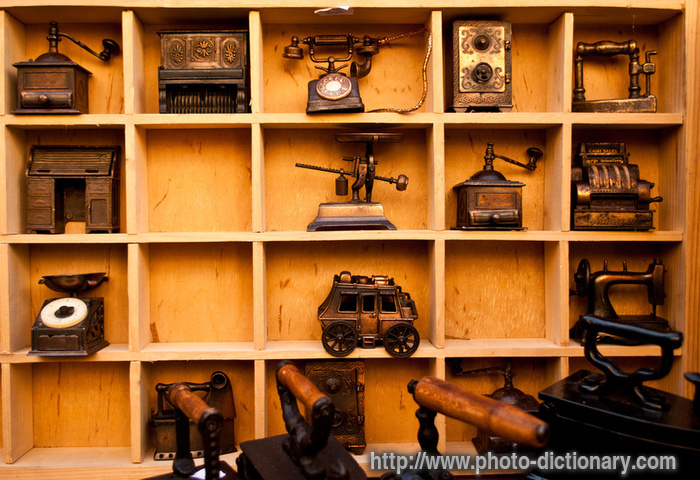
Antiques are collectible items at least 100 years old


- A Practical Guide to Antique Collecting 


Coin collecting


Coin collecting is the collecting or trading of coins or other forms of minted legal tender.
Coins of interest to collectors often include those that circulated for only a brief time, coins with mint errors and especially beautiful or historically significant pieces. Coin collecting can be differentiated from numismatics in that the latter is the systematic study of currency. Though closely related, the two disciplines are not necessarily the same. A numismatist may or may not be a coin collector and vice versa.

- How to start
 

Cloud watching

Cloud watching is a fun hobby for children and adults alike. It is also one of the few hobbies that can be done without any equipment--just some spare time and a little imagination! The following are just a few of the reasons cloud watching is a great source of entertainment for the entire family.

Cave diving


Cave diving is a type of technical diving in which specialized equipment is used to enable the exploration of caves which are at least partially filled with water. In the United Kingdom it is an extension of the more common sport of caving, and in the United States an extension of the more common sport of SCUBA diving. Compared to caving and SCUBA diving, there are relatively few practitioners of cave diving. This is due in part to the specialized equipment (such as rebreathers, diver propulsion vehicles and dry suits) and skill sets required, and in part because of the high potential risks, including decompression sickness and drowning.
Despite these risks, water-filled caves attract SCUBA divers, cavers, and speleologists due to their often unexplored nature, and present divers with a technical diving challenge. Underwater caves have a wide range of physical features, and can contain fauna not found elsewhere.

Canoeing


Canoeing is an outdoor activity that involves a special class of boat known as a canoe.
Open canoes may be 'poled' (punted), sailed, 'lined and tracked' (using ropes) or even 'gunnel-pumped'.
Some canoes are called kayaks. When exactly a canoe can be called a kayak is difficult to determine though, and often arbitrary. Internationally, the term canoeing is used as a generic term for both forms though the terms "paddle sports" or "canoe/kayak" are also used. In North America, however, 'canoeing' usually refers only to canoes, as opposed to both canoes and kayaks. Paddling a kayak is also referred to as kayaking. In modern canoe sport, canoes and kayaks are classified together, although these watercraft have different designs, and historical uses. Both canoes and kayaks may be closed-decked. Other than by the minimum competition specifications (typically length and width (beam) and seating arrangement it is difficult to differentiate most competition canoes from the equivalent competition kayaks. The most common difference is that competition kayaks are always seated and paddled with a double-bladed paddle, and competition canoes are generally kneeled and paddled with a single-bladed paddle. Exceptions include Canoe Marathon (in both European and American competitive forms) and sprint (high kneeling position). The most traditional and early canoes did not have seats, the paddlers merely knelt on the bottom of the boat. Recreational canoes and kayaks employ seats and whitewater rodeo and surf variants increasingly employ the use of 'saddles' to give greater boat control under extreme conditions.

Camping

Camping is an outdoor recreational activity. The participants (known as campers) leave urban areas, their home region, or civilization and enjoy nature while spending one or several nights outdoors, usually at a campsite. Camping may involve the use of a tent, caravan, motorhome, cabin, a primitive structure, or no shelter at all.


Mobile camping 

Backpacking is a mobile variety of tent camping. Backpackers use lightweight equipment that can be carried long distances on foot. They hike across land, cross rivers, and camp at remote locations, and select campsites at will, if resource protection rules allow. Backpacking equipment typically costs more than that for car camping, but still far less than a trailer or motorhome, and backpacking campsites are generally cheap. Backpacking is popular, especially amongst youth who are willing to go through a challenging experience. Although it can be among the cheapest ways to camp, backpacking is also the most uncomfortable and it is usually performed by individuals who are in a generally good condition. The equipment one needs for camping must be carried on the camper's back, making it an athletic activity not suited to everyone; however, technological development and increased interest in camping has led to an improvement in the equipment carried by backpackers. Many camping companies nowadays produce a wide range of equipment that is lightweight or otherwise specialized for backpacking. Modern technology has greatly improved the general comfort and ease of backpacking. Titanium cookware, ultra-light synthetic fabrics, heat-molded hip straps, and down sleeping bags make for a much lighter pack than similar equipment of the past 50 years or more. For many campers, backpacking allows them to experience the true wilderness, but there is the possibility of severe weather and injury in the backcountry. Some backcountry campers pack in comfortable mattresses, compact chairs, and solar-powered satellite phones.
Mobile camping may involve riding animals such as horses and mules. Pack animals increase the limited carrying capacity of riders or may assist hikers by carrying much of the load. Some pack animals, such as dogs and llamas, cannot be ridden but can carry much of the weight of camp supplies. Horse trails and horse camps may be kept separate from "hiking only" areas due to the extra wear that the heavy animals can put on these areas, but a good dog, goat, or llama can easily go just about anywhere that a human can.


Canoe camping

Canoe camping is similar to backpacking, but uses canoes for transportation; much more weight and bulk can be carried in a canoe or kayak than in a backpack. Canoe camping is common in North America. Canoe camping is quite popular as a camping opportunity, although the equipment needed is more expensive than that needed when camping with a car.The advantage of this type of camping is that the canoe provides an easier way to transport everything that is needed when camping; however, paddling can be a challenging experience. Rivers and lakes that are not suitable for canoeing may be dangerous, especially for novices. Electric motors or small gas ones may be attached on some canoes, where allowed, for a faster journey on the water. Waterproof bags and fishing gear are often used due to the constant presence of water.


Sail Camping

Sail camping is a form of camping while sailing or boating. Sailors will visit islands and campgrounds along the shorelines, dock their boats, and set up camp. This form of sail camping makes a variety of land-based activities available to the boaters, as they may want a break from being on the water.


Motorcycle camping

Motorcycle camping is more comparable to bicycle camping than car camping due to the limited storage capacity of the motorbike. Motorcycle camping riders, as well as bicycle touring riders, often use some of the same equipment as backpackers because of the lighter weights and compact dimensions associated with backpacking equipment.


Campgrounds and commercial campsites


  Campers span a broad range of age, ability, and ruggedness, and campsites are designed in many ways as well. Many campgrounds have sites with facilities such as fire rings, barbecue grills, utilities, shared bathrooms and laundry, as well as access to nearby recreational facilities, but not all campsites have similar levels of development. Campsites can range from a patch of dirt, to a level, paved pad with sewer and electricity. (For more information on facilities, see the campsite and RV park articles.)
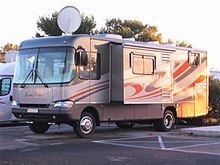
Today’s campers have a range of comforts available to them, whether their shelter is a tent or a recreational vehicle. Those choosing to camp closer to their car ("car camping") with a tent may have access to potable hot water, tent interior lighting and fans, and other technological changes to camping gear. For those camping in recreational vehicles (RVs), options may include air conditioning, bathrooms, kitchens, showers, and home theater systems. In the United States, Canada and Europe, some campgrounds offer hookups where recreational vehicles are supplied with electricity, water, and sewer services.
Other vehicles used for camping include motorcycles, boats, canoes, pack animals, and even bush planes; although backpacking on foot is a popular alternative.


Tent camping sites often cost less than campsites with full amenities, and most allow direct access by car. Some "walk-in" sites lie a short walk away from the nearest road, but do not require full backpacking equipment. Those who seek a rugged experience in the outdoors prefer to camp with only tents, or with no shelter at all ("under the stars").
Although many people see in camping a chance to get out of the daily routine and improve their survival skills, others would rather benefit from the many amenities that campsites are nowadays equipped with. If a few decades ago camping meant a great deal of responsibility and knowledge about wild nature, today any individual who wants to spend a weekend away in the woods may also expect a high level of comfort.
The amenities that can be found in a campsite vary greatly, as do the prices campers must pay to use them. Usually, the most visited places tend to be more comfortable, more sought after, and more expensive. The cheapest option when it comes to camping still remains backpacking or tent camping, although it can lack some of the comforts of other options.
Many companies manufacturing camping accessories produce different types of equipment or gear that is intended to make camping a more comfortable activity. The gear used in camping is crucial and it can be a life saver. The right tent or food storage unit can easily save campers from insects or even bear attacks.


Specialized camping


Adventure camping is a form of camping by people who race (possibly adventure racing or mountain biking) during the day, and camp in a minimalist way at night. They might use the basic items of camping equipment such as a micro-camping stove, sleeping bag, and bivouac bag.
Glamping (glamorous camping) is a growing global phenomenon that combines camping with the luxury and amenities of a home or hotel. Also called boutique camping, luxury camping, posh camping or comfy camping, glamping allows travelers to experience nature without the hassle of finding camp space, carrying their tents, and erecting and taking down their own tents. Lodgings at a glamping sites (glampsites) include structures such as yurts, tipis, pods, bell tents, safari tents, tent cabins, and tree houses. Glampsites range in price from as little as $50 per night to thousands of dollars per night, depending on the level of luxury. Sites offer amenities such as fresh bed linens, en suite washrooms, food service, private verandas, and, most importantly, direct access to the great outdoors.


Historical camping is camping using the methods and tools of a specific time in the past. Historical reenactors often camp with gear correct or similar to that available in the period they represent (Wild West, Medieval, Civil War, etc.). Such camping is done for personal enjoyment and for instructional purposes. Camping may be limited to the group, solo or open to the public as at reenactments and rendezvouses. Their equipment is often made by specialized blacksmiths, leatherworkers and tentmakers or may be self-made.
Minimalist campers bring as little as possible while camping. These campers may choose to do so if their trip involves backcountry camping, or other situations where it would be more efficient to bring less gear. Many survivalist campers exercise this style of camping.


Survivalist campers learn the skills needed to survive in any outdoor situation. This activity may require skills in obtaining food from the wild, emergency medical treatments, orienteering, and pioneering.
"Winter camping" refers to the experience of camping outside during the winter – often when there is snow on the ground. Campers and outdoorspeople have adapted their forms of camping and survival to suit extremely cold nights and limited mobility or evacuation. Methods of survival when winter camping includes: building snow shelters such as quinzhees, igloos, or snow caves, dressing in "layers", staying dry, using low-temperature sleeping bags, and fueling the body with appropriate food.
Workcamping allows campers to trade their labor for a free campsite, and sometimes even for utilities and additional pay. Workcamping is usually seasonal, from May to October, although in warm weather countries or states such as Florida and Arizona, they can be year round. Work campers are mainly individuals or couples who come into a recreational facility with their own RV and offer their labor to maintain that particular facility. In exchange, they can camp for free and might sometimes receive wages. Camp host programs allow people to camp for free for extended periods in exchange for volunteering to introduce visitors to campground facilities and organizing some activities.
Urban camping is about spending a night or more camping outdoors in an urban environment.


Camping equipment

Button collecting

Button collecting varies widely. In its most informal manifestation, a button collection may simply be the household button container, where buttons are stored for future use on clothing or for crafts. At the other end of the spectrum is the competitive collector, mainly found in the United States. In between these two extremes exist casual button collectors, who accumulate buttons for sheer enjoyment and relaxation, as well as for their functional value.


 Some museums and art galleries hold culturally, historically, politically, and/or artistically significant buttons in their collections. The Victoria & Albert Museum has many buttons, particularly in its jewellery collection, as does the Smithsonian Institution.

Butterfly watching


Butterfly watching (also called butterflying) is a hobby concerned with the observation and study of butterflies. It also includes the "catch and release" of butterflies. There are clubs, handbooks, checklists, and festivals devoted to the activity.
The Canada Day and Fourth of July annual butterfly count, a census of species by butterfly watchers throughout North America, is an example of citizen science

Dollhouse building

Bowling

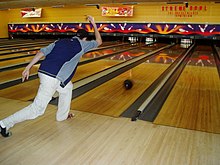
Bowling refers to a series of sports or leisure activities in which a player rolls or throws a bowling ball. In indoor bowls, the target is usually to knock over pins. In outdoor variations, the aim is usually to get the ball as close to a target ball as possible. The indoor version of bowling is often played on a flat wooden or other synthetic surface, while outdoor bowling the surface may be grass, gravel or a synthetic surface.


Bodybuilding

Bodybuilding is a form of physical exercise and body modification involving intensive muscle hypertrophy. An individual who engages in this activity is referred to as a bodybuilder. In competitive and professional bodybuilding, bodybuilders display their physiques to a panel of judges, who assign points based on their appearance. Bodybuilders prepare for competition through a combination of dehydration, fat loss, oils, and tanning (or tanning lotions) which combined with lighting make the definition of the muscle group more distinct. Some well-known bodybuilders include Charles Atlas, Steve Reeves, Reg Park, Arnold Schwarzenegger, and Lou Ferrigno. Currently, IFBB professional bodybuilder Phil Heath from the United States holds the title of Mr. Olympia. The winner of the annual Mr. Olympia contest is generally recognized as the world's top professional bodybuilder.


Boating

Boating is the leisurely activity of travelling by boat, or the recreational use of a boat whether powerboats, sailboats, or man-powered vessels (such as rowing and paddle boats), focused on the travel itself, as well as sports activities, such as fishing or water skiing. It is a popular activity, and there are millions of boaters worldwide.


Birdwatching

Birdwatching or birding is the observation of birds as a recreational activity. It can be done with the naked eye, through a visual enhancement device like binoculars and telescopes, or by listening for bird sounds. Birding often involves a significant auditory component, as many bird species are more easily detected and identified by ear than by eye. Most birdwatchers pursue this activity mainly for recreational or social reasons, unlike ornithologists, who engage in the study of birds using more formal scientific methods.


Bicycling


Almost everyone figured out to ride a bicycle when we were children, but as grownups, the bicycle has dropped its appeal to the power and speed of the automobile. Not many of us now use a bicycle apart from for quick trips on the grocery store or for a few rounds of exercise.
However, scouting around for physical fitness has restored the actual bicycle’s image as more than a children’s substitute for a car. While some are generally satisfied with a leisurely drive along Lake Washington, quite a few have found using a bicycle pertaining to travel a refreshing respite from the worries of propane and the problems of car parking that accompany car travel.
Over 20 bicycle tourists traveling along the Oregon and Colorado coasts each day. During the summer months, over 2000 people visit the Pacific coast in bicycle. If this appeals to you, you should think about a number of things. Long distance taking in is not for everybody. It takes a solid desire to keep going despite the bad weather and cold winds that will blow even during the summer months, not to mention the relentless sun’s rays and 80 plus diploma temperatures on the inland paths. Still interested? Good.
You’ll need a bike. No, that old 3-speed rusting in the garage won’t perform. If you haven’t purchased a new bicycle in a while, be prepared for a shock. A 10-speed bike set up for touring will set anyone back at least $300. Make sure the fit is comfortable. You will be spend lots of time on it.
In addition, you’ll need rear bike bags named panniers (the word is French, but a majority of people pronounce panniers as it is typed), a front handle bar bag or front panniers. Something kit for emergency maintenance tasks is a must. You should bring a spare tire and internal tube and a frame-type pump. Regarding camping, a tent, a lightweight sleeping bag, cooking stuff, water bottle, a first aid kit, suntan lotion, a lightweight stove, and a few other incidentals are required.
Everything goes in the cycle bags. Backpacks are firmly not recommended. Having weight on your back will work against your balance and also a pack becomes very uncomfortable following a long day on the road.
To consider how to repair your bicycle. You need to understand how to replace a flat exhaust; Knowing how to repair a damaged chain or a snapped talked is handy, but not essential for a fun trip. Motorists will often be very willing to take a bicyclist towards the nearest town for vehicle repairs.
Helmets are a must. A lot of roads are narrow and a lot of do not have shoulders. You may be a great rider, but people in large trucks and individuals seem to have a thing for cyclists. Other less enlightened individuals have thrown beer containers and cans at bicyclists for kicks. While you are relocating, you won’t even know that the headgear is on your head, during hot weather. You don’t have to be going fast to have a bad crash. It’s always cheaper to replace a helmet than your skull.
Be prepared for any weather. The weather along the coastline can be comfortable one hour, bitterly windy and cold the next. You should carry a light rain parka; breathable types made from Goretex work very well. For warm days, light cotton clothes will prevent overheating.
Those hilarious looking bicycle shorts carry out serve a purpose. They prevent chafing and give you extra padding inside the crotch to help relieve saddle sore (nothing prevents saddle aching except lots of riding). Bicycle gloves are also a good investment. They may certainly not seem like much, but right after miles of riding about rough roads, your hands will thank you for the support.
You very surely need to be in shape. During the winter when the weather is not ideal for bicycle riding, running will increase your endurance and keep your cardiovascular system in condition. When summer arrive, there are nice Thirty mile day rides close to Western Washington that are great for training. Thirty miles might appear like a long distance, but if anyone ride with friends, quit for a picnic, and experience the sights, the time and also miles will go by swiftly.
Do not attempt a long ride without working up to it. Start with short rides for the grocery store or to a recreation area. Bicycling requires the leg muscle groups to work continuously for a long time. Cramping may result if you are not really in condition. Saddle tender will be a major problem during the first couple of rides, but after a few additional rides, it will disappear.
The knees are usually the first important joints to notice an increase in bicycling. Cycling with warm up pants on or using bicycle stockings to keep your knees and lower limbs warm will usually prevent problems. If you find that your knees hurt right after riding, see a doctor in a sports clinic. There are workouts specifically designed to prevent and relieve leg problems. If you have problems during the trip, knee pain can be happy with aspirin.
Exploring with another person or with a party will keep the blues absent. It’s always nice to have assist when repairing a flat exhaust or someone there in order to talk to during a long drive. One thing to remember: you will be along with your partner or group for years. Make sure you will get along before the trip.
Wait 35 to 60 minutes after eating previous to resuming your ride. Unless you, your legs will protest. That’s because a lot of your blood is being used by the digestive program and the legs lose lots of their nourishment. Use the time and energy to check out the sights and fix any bicycle problems.
Camping out is part of the bicycling experience. Most of the campgrounds have Hiker/Biker places reserved for people travelling below foot . . . These campsites are extremely inexpensive, usually 50 pennies a night. Most of the campsites have hot showers, a really pleasant reward after riding throughout the day. Some of the campgrounds have swimming and ocean beach gain access to. Plus all the other bicyclists will be there to share their reports and hints.
If you camp or hike, you may have remarked that food is not on the list connected with things to bring. That’s because, not like back country hiking along with camping, bicycle camping provides the luxury of supermarkets along the route. But be careful not to shop from long day of riding when you may buy more foods than you should. Shopping once you’ve set up camp reduces the volume of weight on your bicycle and makes peddling up hillsides easier.
There are many places in order to tour on bicycle. Prepare your trip carefully in advance. Know which roads are passable on bicycle and any detours you may have to take. Last summer, your coastline along California’s Big Sur was washed out and bicyclists were required to detour inland. Some branches of the Automobile Association of The united states have bicycle information. The state highway agencies also are useful when you are planning a trip.
The Ocean Coast is probably one of the most stunning and enjoyable bicycle journeys. There are hills but they are not necessarily insurmountable. It’s best to ride northern to south because the majority of the winds are from your north. And when the wind gusts are from the south, could possibly good chance the rain atmosphere are on their way. It is about 1000 miles from Seattle in order to San Francisco and another 400 miles to Los Angeles and can take 14 to 30 days.
For those who love adventure, you can travel throughout the United States. The weather is usually scorching during the summer and there usually are two mountain ranges for you to cross. Most people you will match are friendly, but the landscape is dull compared with the Coastline, unless you are into wheat. The trip is over 3200 miles.

Belly dancing

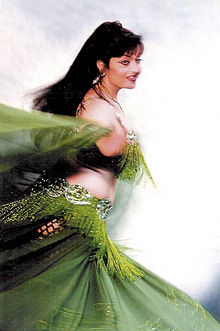
Belly dancing is a "Western"-coined name for a traditional "West Asian" dance. It is sometimes also called Middle Eastern dance or Arabic dance in the West.

The term "belly dance" is a translation of the French "danse du ventre" which was applied to the dance in the Victorian era. It is something of a misnomer as every part of the body is involved in the dance; the most featured body part is usually the hips. Belly dance takes many different forms depending on the country and region, both in costume and dance style, and new styles have evolved in the West as its popularity has spread globally. Although contemporary forms of the dance have generally been performed by women, some of the dances, particularly the cane dance, have origins in male forms of performance.


Channels :
- BellyDanceB
- nualadouglas

Beachcombing

Beachcombers follow the "drift lines" or "tide lines" on the beach and are interested in the (mostly natural) objects that the sea casts up.So beachcombing is the recreational activity of looking for and finding various curiosities that have washed in with the tide: seashells of every kind, fossils, pottery shards, historical artifacts, sea beans (drift seeds), sea glass (beach glass) and driftwood. Items such as lumber, plastics, and all manner of things that have been lost or discarded by seagoing vessels will be collected by some beachcombers, as long as the items are either decorative or useful in some way to the collector.


Amateur radio

Amateur radio (also called ham radio) is the use of designated radio frequency spectrum for purposes of private recreation, non-commercial exchange of messages, wireless experimentation, self-training, and emergency communication. The term "amateur" is used to specify persons interested in radio technique solely with a personal aim and without direct pecuniary interest, and to differentiate it from commercial broadcasting, public safety (such as police and fire), or professional two-way radio services (such as maritime, aviation, taxis, etc.).


Amateur radio


Amateur astronomy

Amateur astronomy, also called backyard astronomy and stargazing, is a hobby whose participants enjoy watching the sky, and the plethora of objects found in it, mainly with portable telescopes and binoculars. Even though scientific research is not their main goal, many amateur astronomers make a contribution to astronomy by monitoring variable stars, tracking asteroids and discovering transient objects, such as comets.


Acting

Acting is the work of an actor or actress, which is a person in theatre, television, film, or any other storytelling medium who tells the story by portraying a character and, usually, speaking or singing the written text or play.


Airsofting

Airsoft is a recreational activity in which participants eliminate opponents by hitting each other with spherical non-metallic pellets launched via replica firearms.


Aircraft spotting

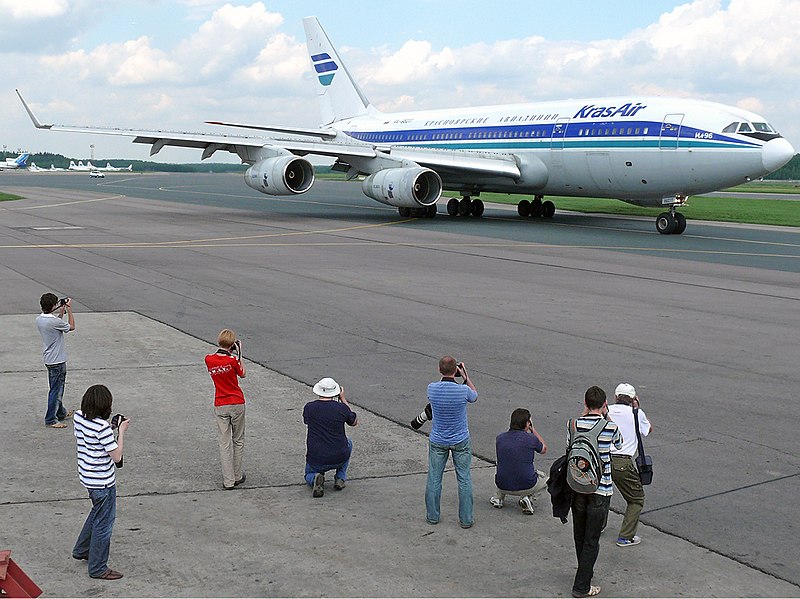
Aircraft spotting or plane spotting is the observation and logging of the registration numbers of aircraft: gliders, powered aircraft, balloons, airships, helicopters, and microlights.
When spotting aircraft, observers notice the key attributes of an aircraft. They may notice a distinctive noise from its engine or the number of vapour trails it is leaving. They will assess the size of the aircraft and the number, type and position of its engines. Another clue is the position of wings relative to the fuselage and the degree to which they are swept rearwards. Are the wings above the fuselage, below it, or fixed at midpoint? Perhaps it is a monoplane, biplane, or triplane. The position of the tailplane relative to the fin(s) and the shape of the fin are also clues to its type. If it is an antique or light aircraft it might have a tail wheel. Some aircraft types have a fixed undercarriage while others have retractable wheels.
Other features include the speed, cockpit placement, colour scheme or special equipment that changes the silhouette of the aircraft. Taken together these clues will enable the identification of an aircraft. If the observer is familiar with the airfield being used by the aircraft and its normal traffic patterns, he or she is more likely to leap quickly to a decision about the aircraft's identity - they may have seen the same type of aircraft from the same angle many times.
Due to technical development, more and more spotters are using equipment like radar decoders to track the movements of aircraft. The two most famous devices used are the AirNav Systems RadarBox and Kinetic Avionics SBS series. Both of them are reading and processing the radar data and show the movements on a computer screen. Most of the decoders also allow to export logs from a certain route or airport.


Candle Making

Candle making was developed independently in many countries throughout history. The earliest known candles were made from whale fat by the Chinese, during the Qin Dynasty (221–206 BC). In early China and Japan, tapers were made with wax from insects and seeds, wrapped in paper.In India, wax from boiling cinnamon was used for temple candles. During the 1st century AD, indigenous people of the Pacific Northwest fused oil from the eulachon, or "candlefish", for illumination.


3. Channels 


Calligraphy

It is the design and execution of lettering with a broad tip instrument or brush in one stroke


1.Lessons

2. Channels
- hamidrezaebrahimi's channel
- Heidi5588's channel

Bonsai

Bonsai is an ancient art form that originated in China and Japan and is primarily focused on producing beautiful miniaturized trees and plants. Bonsai is in fact a Japanese version of the original Chinese word ‘pun-sai’ that was applied to this oriental art form.
The Chinese also created ‘penjing’ – miniature landscapes in shallow containers – which were in existence before the single bonsai tree concept was developed. There are wall paintings of penjing dating back to the Han dynasty in 200 BC. So it has been around a long time!
The art of bonsai was introduced to the west as a result of American and British troops returning home from the Far East following the second world war.
The word ‘bonsai’ is made up of two root words, ‘bon’ meaning tray and ‘sai’ which means plant. Thus, a literal translation is ‘plant in a tray’ which gives a ‘flavour’ of the art of bonsai.


Bonsai means
'Tree in a Pot'
An essential part of bonsai is that the plants are always planted in a pot of some type. There are many different forms of pot used for the purpose of growing bonsai trees.  You will often see the term ‘tree in a pot’ used to describe bonsai.
However, this represents only a hint of what bonsai is really about.
Perhaps the most important thing to understand about bonsai is that it is all about aesthetics, the beauty of the tree or plant. Whilst many people understand that bonsai is something to do with growing little trees, they perhaps do not appreciate that the most important thing is to grow a majestic small tree.
A small tree or plant is not accepted as bonsai until it has been carefully pruned and trained into the desired shape. Bonsai trees are not necessarily naturally small, nor are they the shape that they are because that is the way they were going to grow anyway.


1. Bonsai tools

2. Bonsai for beginners 

3. Channels
- OrlandoBonsaiTV
- BONSAI HUNTERS
- GrahamWPotter

Beedwork

Beadwork is the art or craft of attaching beads to one another or to cloth, usually by the use of a needle and thread or soft, flexible wire. Most beadwork takes the form of jewelry or other personal adornment, but beads are also used in wall hangings and sculpture.